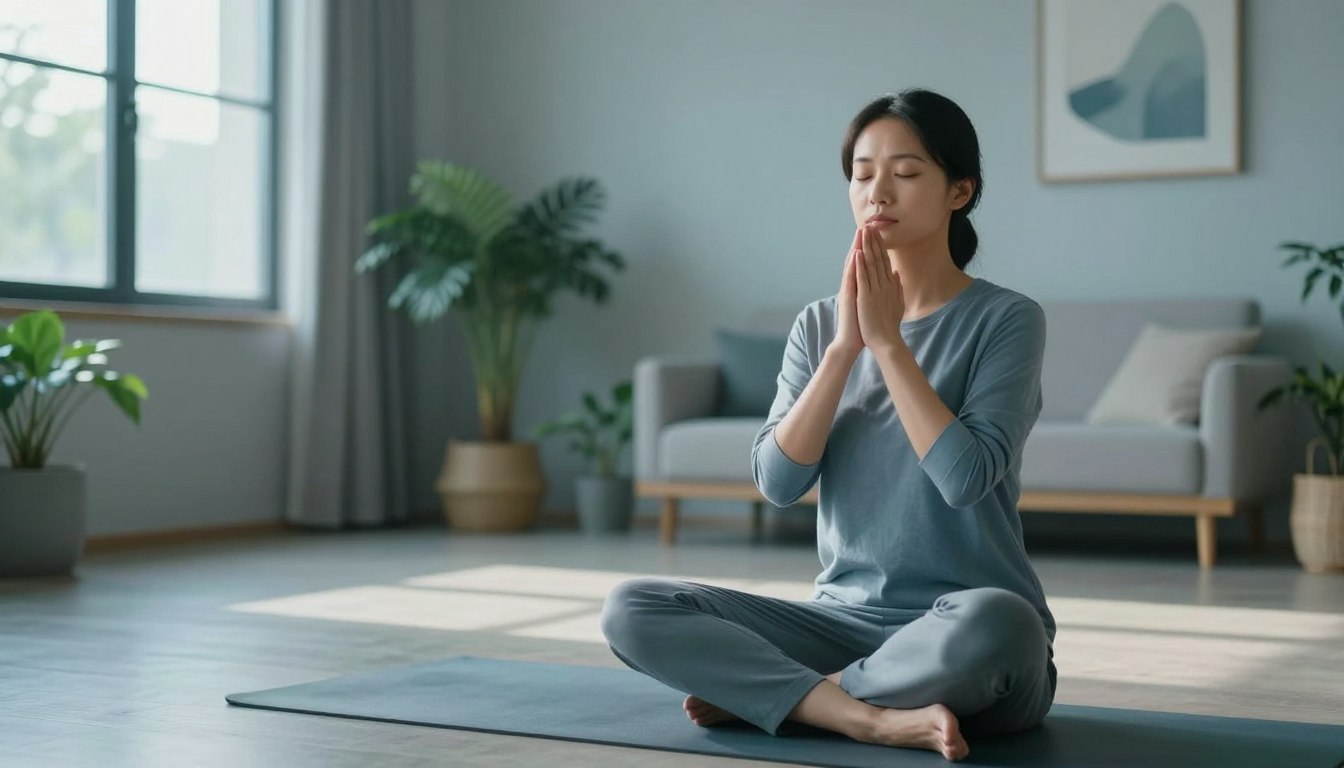
Did you know that nearly 80% of doctor visits in the United States are linked to stress-related conditions? In our fast-paced world, our bodies often stay stuck in a high-alert state, which drains our energy and impacts our long-term health.
Learning how to manage your internal state is the key to reclaiming your peace. By mastering specific nervous system regulation techniques, you can shift from a place of constant overwhelm to a state of calm resilience.
This process is not about avoiding life’s challenges. Instead, it is about building the capacity to handle them with grace. Simple, consistent habits allow you to reset your body and mind every single day.
Key Takeaways
- Chronic stress significantly impacts your long-term physical and emotional health.
- Regulating your internal state is essential for maintaining daily stability.
- Small, consistent habits create lasting changes in how you handle pressure.
- You can build a more resilient body through intentional daily practice.
- Understanding your biology is the first step toward feeling calm and centered.
Understanding the Autonomic Nervous System and Its Role in Stress
The autonomic nervous system acts as the silent conductor of your body’s internal orchestra. It manages vital functions like heart rate, digestion, and breathing without you ever needing to think about them. By mastering effective stress management strategies, you can learn to influence this system to support your overall well-being.
The Dance Between Sympathetic and Parasympathetic States
Your body constantly shifts between two primary modes to maintain balance. The sympathetic branch triggers the fight-or-flight response, preparing you to face immediate danger or high-pressure situations. While this is helpful in short bursts, chronic over-activation makes sympathetic nervous system regulation difficult to achieve on your own.
Conversely, the parasympathetic branch acts as the body’s “rest-and-digest” system. It promotes healing, relaxation, and long-term health. Prioritizing parasympathetic nervous system activation is the essential key to recovering from the wear and tear of modern life.
Identifying Signs of Nervous System Dysregulation
When your system stays stuck in a high-stress state for too long, you may experience clear signs of dysregulation. Common indicators include persistent feelings of anxiety, unexplained fatigue, or difficulty sleeping. Recognizing these signals early allows you to apply specific autonomic nervous system techniques to restore your internal equilibrium.
| Feature | Sympathetic State | Parasympathetic State |
|---|---|---|
| Primary Goal | Survival and Action | Rest and Recovery |
| Heart Rate | Increased | Decreased |
| Digestion | Suppressed | Active |
| Energy Level | High Alert | Calm and Steady |
Effective Nervous System Regulation Techniques for Daily Balance
Regaining control over your physiological state is possible through targeted physical interventions. By incorporating nervous system regulation techniques into your daily routine, you can shift from a state of high alert to one of calm and recovery. Consistency is the key to building long-term resilience against daily stressors.
Step 1: Mastering Breathwork for Nervous System Balance
The way you breathe directly influences your internal chemistry. Utilizing breathwork for nervous system balance allows you to send immediate signals of safety to your brain, effectively lowering your heart rate.
Utilizing Box Breathing for Immediate Calm
Box breathing is a simple yet powerful tool for moments of acute stress. Inhale for four seconds, hold for four, exhale for four, and hold for four again. This rhythmic pattern helps reset your autonomic nervous system quickly.
Practicing Diaphragmatic Breathing to Activate the Vagus Nerve
Diaphragmatic breathing, or belly breathing, engages the diaphragm to stimulate the vagus nerve. Place one hand on your chest and the other on your belly. Focus on making the hand on your belly rise while keeping your chest still to maximize relaxation.
Step 2: Implementing Vagus Nerve Stimulation Exercises
The vagus nerve acts as the primary highway for your body’s rest-and-digest system. Targeted vagus nerve stimulation can help you recover faster after a challenging day.
Cold Water Exposure and Facial Immersion
Splashing cold water on your face or holding a cold pack against your cheeks triggers the mammalian dive reflex. This physiological response forces an immediate drop in heart rate, promoting a sense of tranquility.
Humming and Chanting for Vagal Tone
Because the vagus nerve passes through the vocal cords, vibration can improve your vagal tone. Humming, chanting, or singing loudly in the shower creates physical vibrations that soothe the nervous system from the inside out.
Step 3: Integrating Mindfulness and Biofeedback for Stress Relief
Combining mental awareness with physical data creates a comprehensive approach to wellness. Prioritizing mindfulness for nervous system health helps you stay present, while technology offers objective insights into your progress.
Grounding Techniques to Anchor the Present Moment
Grounding exercises, such as the 5-4-3-2-1 method, help pull your focus away from anxious thoughts. Identify five things you see, four you can touch, three you hear, two you smell, and one you can taste to anchor yourself in the present.
Using Biofeedback Tools to Monitor Heart Rate Variability
Modern wearable devices allow you to track your heart rate variability (HRV) in real-time. Using biofeedback for stress relief provides the data you need to see which habits are truly working for your body. Monitoring these metrics empowers you to make informed adjustments to your daily routine.
Conclusion
Achieving a balanced nervous system is a journey that unfolds one day at a time. You possess the power to reshape your internal state by choosing consistent stress management strategies that fit your unique lifestyle.
Patience serves as your greatest tool during this process. Small shifts in your daily routine create significant changes in how your body handles pressure. Brands like Muse or Oura Ring offer helpful data to track your progress as you refine these habits.
Commitment to your chosen stress management strategies builds deep resilience over time. You will notice a greater sense of peace when you prioritize these moments of regulation. Start with just five minutes of practice today to see how your body responds.
Observe the positive impact these simple adjustments bring to your mental clarity and physical health. Your path toward a regulated nervous system starts with a single intentional breath. Keep exploring what works best for your personal growth and well-being.