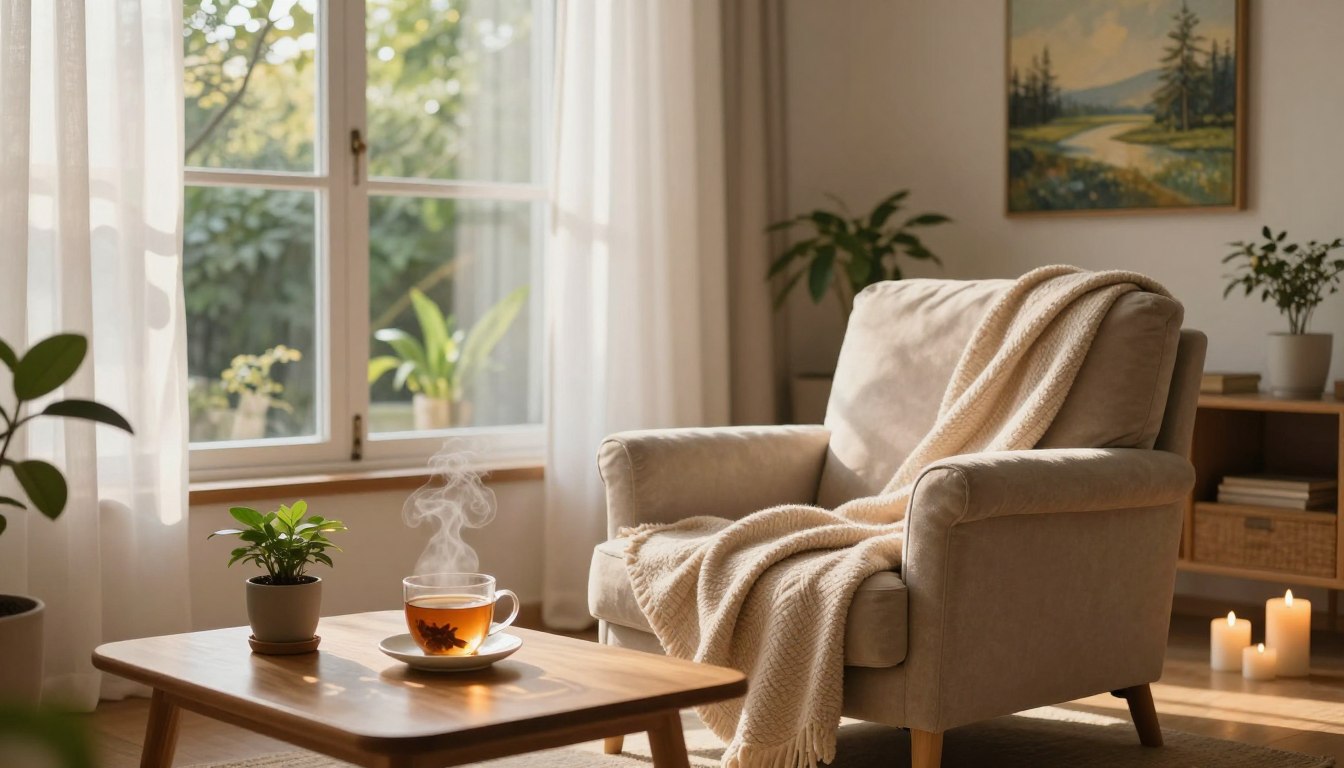
Did you know that 77% of Americans regularly experience physical symptoms caused by stress? In our fast-paced world, we often treat peace as a luxury we cannot afford. However, intentional living is the true foundation for long-term mental health and physical vitality.
Adopting a relaxation-focused lifestyle design is not about doing less; it is about choosing what matters most. By integrating simple self-care tips into your daily routine, you can reclaim your time and energy. This approach helps you move away from burnout and toward a more sustainable way of being.
Embracing these balanced living ideas allows you to build a framework that supports your well-being. When you prioritize your inner calm, you create space for growth and joy. Let us explore how you can transform your daily habits to foster a life of lasting tranquility.
Key Takeaways
- Stress impacts the majority of Americans, making intentional rest a necessity.
- Prioritizing peace is a fundamental component of long-term health.
- Small, consistent habits lead to sustainable mental and physical vitality.
- Intentional choices help you reclaim your time from a busy schedule.
- Balanced living creates a supportive framework for your daily life.
Assessing Your Current Stressors and Priorities
Before you can build a sanctuary of calm, you must audit the chaos that fills your daily routine. Many of us move through our days on autopilot, unaware of the small habits that slowly erode our peace of mind. By taking a step back, you can gain the clarity needed to transform your environment.
Identifying Daily Energy Drains
To reclaim your time, you need to spot the specific activities that leave you feeling depleted. Often, these are not major life events but rather persistent, low-level irritants like constant digital notifications or cluttered workspaces. Tracking your energy levels throughout the day can reveal patterns you might otherwise ignore.
Once you identify these drains, you can begin to apply mindfulness techniques to manage your reactions. Instead of letting a busy inbox dictate your mood, you can choose to pause and breathe. This simple shift helps you regain control over your mental space.
Defining Your Personal Vision of Calm
Calm looks different for everyone, so it is vital to define what serenity means to you personally. Perhaps your vision involves a quiet morning with a book, or maybe it requires a structured evening routine that separates work from rest. Aligning your daily actions with these core values is the foundation of effective stress relief strategies.
When you know exactly what you are working toward, it becomes easier to say no to distractions. You can prioritize tasks that nourish your spirit rather than those that simply fill your calendar. The following table outlines common stressors and how you can address them with intentionality.
| Common Stressor | Impact on Energy | Recommended Action |
|---|---|---|
| Constant Notifications | High (Mental Fatigue) | Use “Do Not Disturb” mode |
| Cluttered Workspace | Medium (Focus Drain) | Clear desk every evening |
| Back-to-back Meetings | High (Emotional Exhaustion) | Schedule 5-minute breaks |
| Unclear Priorities | Medium (Anxiety) | Write a daily top-three list |
By using these proven stress relief strategies, you create a buffer against the demands of modern life. Remember that mindfulness techniques are not just for meditation cushions; they are tools for everyday living. Start small, stay consistent, and watch your personal vision of calm become your new reality.
Implementing a Relaxation-Focused Lifestyle Design
Building a life centered on peace requires intentional action and a shift in your daily habits. Transitioning from a high-stress state to a relaxation-focused lifestyle design is not about perfection, but about making small, sustainable changes. By curating your environment and your time, you can create a personal sanctuary that supports your mental well-being.
Establishing Morning Rituals for Mindful Living
Setting Intentions Before the Day Begins
How you start your morning often dictates the flow of your entire day. Instead of reaching for your phone, try taking five minutes to sit in silence and set a positive intention. This simple act helps you focus on what truly matters, serving as one of the most effective self-care tips for busy individuals.
Incorporating Gentle Movement
Physical activity does not have to be intense to be beneficial. Incorporating gentle movement like stretching or light yoga can wake up your body without spiking your cortisol levels. These tranquility enhancing methods help you feel grounded and prepared for the challenges ahead.
Creating Physical Spaces for Tranquility
Decluttering Your Immediate Environment
Your physical surroundings have a direct impact on your nervous system. A cluttered space often leads to a cluttered mind, making it difficult to find true rest. Start by clearing off your desk or nightstand to create a visual sense of order and calm.
Using Sensory Elements to Promote Peace
Engaging your senses is a powerful way to shift your mood quickly. Consider using soft lighting, calming essential oils, or soothing background music to transform your home into a peaceful retreat. These tranquility enhancing methods are essential components of a successful relaxation-focused lifestyle design.
| Habit Category | Stress-Inducing Action | Relaxation-Focused Action |
|---|---|---|
| Morning Routine | Checking emails immediately | Setting a daily intention |
| Physical Space | Accumulating desk clutter | Maintaining a clear workspace |
| Sensory Input | Harsh artificial lighting | Using warm, soft lighting |
| Self-Care | Skipping breaks entirely | Practicing mindful breathing |
By applying these self-care tips, you can slowly reshape your daily experience. Remember that consistency is the key to long-term success in your wellness journey.
Integrating Holistic Wellness Practices into Your Routine
True balance comes from weaving wellness into the fabric of your entire day. Maintaining a calm state requires the consistent application of holistic wellness practices, rather than saving your relaxation efforts for the weekend. By making small, intentional choices, you protect your energy levels from the moment you wake up until you head to bed.
Applying Stress Relief Strategies During Work Hours
Your professional life often demands high focus, which can lead to mental fatigue. Implementing effective stress relief strategies during your shift helps you stay productive without burning out. These habits act as a buffer against the pressures of a busy office environment.
Utilizing Micro-Breaks for Mental Clarity
A micro-break is a short pause that allows your brain to reset. Even sixty seconds of intentional breathing can significantly improve your focus and emotional regulation. Consider these simple ways to restore your clarity:
- Step away from your screen to look at a distant object.
- Practice deep, rhythmic breathing to lower your heart rate.
- Stretch your neck and shoulders to release physical tension.
- Enjoy a glass of water while standing away from your desk.
Developing Evening Wind-Down Habits
The transition from work to home is a vital time to practice mindfulness techniques. Establishing a clear boundary between your professional duties and your personal time signals to your body that it is safe to relax. This shift is essential for long-term emotional health.
Digital Detox Techniques for Better Sleep
Constant exposure to blue light from phones and laptops can disrupt your natural sleep cycle. By adopting a strict digital detox, you allow your mind to settle before you hit the pillow. Try these steps to improve your rest:
- Power down all electronic devices at least one hour before sleep.
- Replace scrolling through social media with reading a physical book.
- Use a warm, dim lamp instead of harsh overhead lighting.
- Write down your to-do list for tomorrow to clear your mind of lingering worries.
Conclusion
Transforming your daily life requires a deliberate shift in how you view your time and energy. Adopting these balanced living ideas creates a foundation that supports your long-term well-being and personal growth.
Finding your calm remains an ongoing process of refinement. You will discover that small adjustments lead to significant changes in your mental clarity and emotional health.
Consistency matters more than perfection when you apply these tranquility enhancing methods. You can maintain a sense of peace regardless of external pressures by staying committed to your chosen habits.
Start with one small change today to honor your need for rest. Patience serves as your best tool as you build a lifestyle that prioritizes rejuvenation. Share your progress with friends or join a community focused on wellness to keep your momentum strong.