Did you know that nearly 77% of Americans regularly experience physical symptoms caused by daily pressure? In our fast-paced world, it is easy to feel like you are constantly running on empty. You deserve a moment to pause and reclaim your inner calm.
Integrating mind-body techniques for stress reset into your routine is a powerful way to restore balance. These simple practices help bridge the gap between your busy thoughts and your physical well-being. By making small, intentional shifts, you can significantly improve your quality of life.
You have the power to transform how you handle daily challenges. Let us explore how these accessible habits can help you feel refreshed, focused, and ready to thrive in your everyday life.
Key Takeaways
- Understand the physical impact of chronic pressure on your health.
- Learn how to integrate simple wellness habits into a busy schedule.
- Discover the connection between mental clarity and physical relaxation.
- Identify effective ways to lower tension throughout the workday.
- Embrace a proactive approach to maintaining long-term emotional balance.
Understanding the Mind-Body Connection for Stress Relief
The bridge between your mental state and physical health is more powerful than most people realize. When you experience stress, your brain does not just process it as a thought; it triggers a cascade of biological responses throughout your entire system. Mastering the mind-body connection for stress relief allows you to regain control over these automatic reactions.
How Stress Impacts Your Physical Well-being
When you face a challenge, your sympathetic nervous system activates the classic fight-or-flight response. While this was helpful for our ancestors facing immediate danger, modern life often keeps this system stuck in the “on” position. This chronic activation leads to several physical consequences:
- Elevated cortisol levels that disrupt your sleep and metabolism.
- Persistent muscle tightness, particularly in the neck, shoulders, and jaw.
- A weakened immune response, making you more susceptible to illness.
Physical tension is often the body’s way of signaling that your internal alarm system is overwhelmed. Ignoring these signs can lead to long-term health issues, which is why addressing the root cause is essential for your well-being.
The Science Behind Holistic Stress Relief Methods
Scientific research consistently shows that intentional relaxation techniques can effectively downregulate the body’s stress response. By engaging in holistic stress relief methods, you send a signal to your nervous system that it is safe to return to a state of rest and repair.
“The greatest weapon against stress is our ability to choose one thought over another.”
These practices work by stimulating the parasympathetic nervous system, which acts as the body’s natural “brake” pedal. When you practice these techniques, you are not just relaxing your muscles; you are actively changing your internal chemistry. Embracing these holistic stress relief methods provides a sustainable path toward lasting calm and improved physical health.
Essential Mind-Body Techniques for Stress Reset
Reclaiming your inner peace is possible when you learn to interrupt the stress cycle in real-time. By utilizing effective mind-body techniques for stress reset, you can signal your nervous system to shift from a state of high alert to one of deep restoration.
Deep Breathing Exercises for Immediate Calm
Breathwork acts as a bridge between your conscious mind and your autonomic nervous system. When you control your inhalation and exhalation, you directly influence your heart rate and blood pressure.
Box Breathing Technique
The box breathing method is a favorite among high-performance professionals for its simplicity and effectiveness. To begin, inhale slowly through your nose for a count of four. Hold that breath for four seconds, then exhale steadily for another four. Finally, hold your lungs empty for four seconds before repeating the cycle.
Diaphragmatic Breathing
Often called belly breathing, this practice encourages you to engage your diaphragm rather than shallow chest muscles. Place one hand on your chest and the other on your abdomen. As you inhale, focus on making the hand on your stomach rise while keeping your chest still. This intentional movement helps maximize oxygen intake and promotes a sense of groundedness.
Progressive Muscle Relaxation for Physical Tension
Physical stress often manifests as tightness in the shoulders, jaw, or neck. Progressive Muscle Relaxation (PMR) helps you identify and release this stored tension by systematically tensing and then relaxing specific muscle groups. Start at your toes, squeeze them tightly for five seconds, and then release suddenly. Work your way up through your legs, torso, arms, and face to achieve a full-body release.
Mindfulness Meditation for Mental Clarity
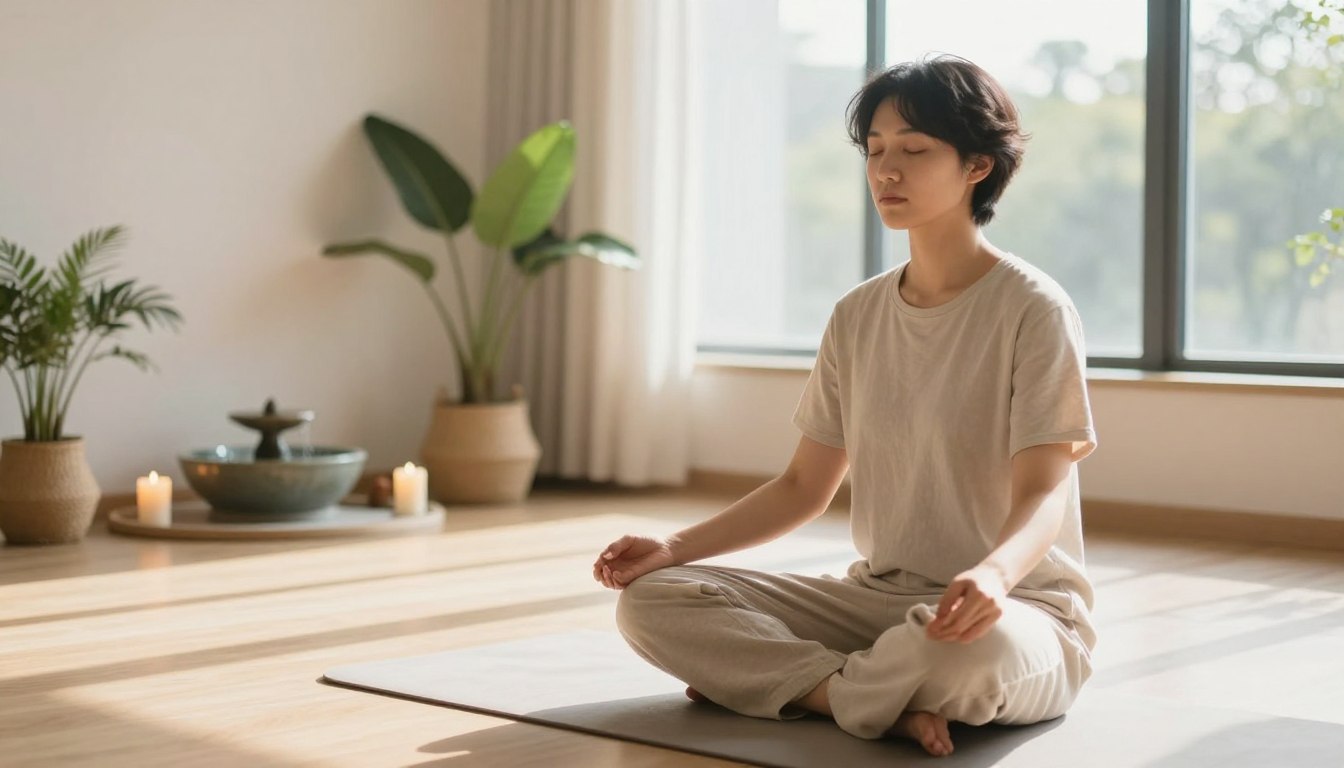
Cultivating present-moment awareness is one of the most powerful mindfulness techniques for stress management. You do not need hours of silence to see results; even five minutes of focused observation can change your perspective. Simply sit comfortably, close your eyes, and observe your thoughts without judgment as they pass like clouds in the sky.
Choosing the right relaxation techniques for stress relief depends on your current environment and the intensity of your stress. The following table outlines how these methods compare to help you select the best tool for your needs.
| Technique | Primary Benefit | Best Used For |
|---|---|---|
| Box Breathing | Rapid Nervous System Reset | High-pressure meetings |
| Diaphragmatic Breathing | Deep Physiological Calm | Daily maintenance |
| Muscle Relaxation | Physical Tension Release | End-of-day recovery |
| Mindfulness Meditation | Mental Clarity & Focus | Reducing racing thoughts |
Integrating Stress Reduction Strategies into Your Daily Routine
Transforming your daily schedule into a sanctuary for peace requires intentional planning. You do not need to overhaul your entire life to find balance. Instead, focus on weaving stress management techniques into the pockets of time you already have available.
Creating a Dedicated Relaxation Space
Your environment plays a massive role in how your brain perceives rest. By designating a specific corner of your home for calm, you provide a visual cue that it is time to disconnect from work. This space does not need to be large; a comfortable chair or a quiet nook works perfectly.
Fill this area with items that bring you joy, such as a soft blanket or a soothing candle. When you enter this zone, your mind will eventually learn to shift gears automatically. This is where you can practice your favorite stress reduction exercises without any outside distractions.
Setting Boundaries to Protect Your Energy
Protecting your mental health often means learning how to say no to extra demands. You cannot pour from an empty cup, so prioritize your needs before taking on new tasks. Setting clear boundaries helps you maintain the energy required for your daily wellness practices.
Communicate your limits kindly but firmly to friends and colleagues. When you respect your own time, others will learn to respect it as well. This simple shift is a powerful tool for long-term emotional stability.
Consistency Tips for Long-Term Stress Management
Success in any wellness journey relies on showing up for yourself every single day. Even five minutes of intentional breathing can make a difference if you do it consistently. Try to anchor your new habits to existing routines, like practicing mindfulness right after you wake up or before you go to bed.
Remember that stress reduction strategies are most effective when they become a natural part of your lifestyle. If you miss a day, do not be hard on yourself; simply pick up where you left off. Consistency is the foundation of a calmer, more balanced life.
Conclusion
Achieving lasting peace requires a commitment to your daily habits. You hold the power to transform your well-being by choosing simple, effective actions every single day.
Start your journey by picking one or two mind-body therapies for stress relief that fit your lifestyle. Whether you prefer guided breathing or quiet meditation, small steps lead to significant changes in your mental clarity.
Consistent practice remains the secret to long-term success. By prioritizing these proven stress management techniques, you protect your energy and build a resilient foundation for your future.
Your path to a balanced life begins with the choices you make right now. Embrace these tools to restore your vitality and enjoy a calmer, more focused version of yourself.