Did you know that the average person spends nearly 90% of their time indoors? This staggering statistic highlights why your home interior plays a massive role in your mental health.
By prioritizing a stress-free living environment, you can transform your daily routine into a restorative experience. Intentional home wellness design allows you to reclaim your focus while lowering cortisol levels after a long day.
Creating a sanctuary is not merely about choosing the right paint colors or furniture. It is about building a supportive atmosphere that fosters long-term health and clarity.
When you invest in a calm environment and wellness spaces, you provide your mind with the necessary tools to recharge. This approach turns any room into a personal retreat designed for balance.
Key Takeaways
- Home design significantly impacts your daily mental health and stress levels.
- Intentional planning helps turn ordinary rooms into restorative retreats.
- Focusing on your surroundings promotes better long-term physical health.
- A balanced home layout encourages mental clarity and emotional stability.
- Small design changes can effectively reduce the impact of external stressors.
Essential Steps for Designing a Calm Environment and Wellness Spaces
Transforming your residence into a sanctuary requires a strategic approach to interior design. By focusing on interior design for mental health, you can build a foundation that supports your daily well-being. Establishing a stress-free living environment is the first step toward reclaiming your peace of mind at home.
Decluttering and Simplifying Your Physical Surroundings
Adopting minimalist home decor is one of the most effective ways to clear mental fog. When you remove unnecessary items, you create room for your mind to rest and recharge. Simplicity in your surroundings often leads to a more focused and calm state of being.
Start by evaluating each room and keeping only the items that serve a purpose or bring you joy. A tidy space reduces visual noise, which helps lower cortisol levels. Organized surfaces act as a visual anchor, allowing you to feel more in control of your daily life.
Selecting a Soothing Color Palette and Natural Textures
The colors you choose for your walls and furniture significantly influence your mood. Implementing soothing color schemes, such as soft blues, muted greens, or warm earth tones, can transform the energy of a room. These colors mimic the outdoors, helping you feel grounded and emotionally balanced.
Pairing these colors with natural home textures adds a tactile layer of comfort to your space. Consider incorporating materials like organic cotton, raw wood, or stone to create a sensory connection to nature. These elements provide a warm, inviting atmosphere that makes your home feel like a true retreat.
Optimizing Lighting for Circadian Rhythm and Mood
Light is a powerful tool for regulating your internal clock. Utilizing circadian rhythm lighting allows your home to mimic the natural progression of the sun throughout the day. Bright, cool light in the morning boosts energy, while warmer, dimmer light in the evening signals your body to prepare for rest.
This approach is especially vital when creating a wellness-focused home office. Proper lighting ensures that your productivity remains high without sacrificing your ability to relax once the workday ends. Thoughtful illumination helps you maintain a healthy rhythm, ensuring you feel refreshed and ready for whatever the day brings.
Integrating Wellness Habits into Your Daily Routine
Modern home wellness design is about creating a rhythm that honors your need for rest and rejuvenation. By aligning your physical space with your mental goals, you turn your house into a supportive partner in your journey toward health. Small, intentional changes often lead to the most sustainable wellness habits over time.
Creating Dedicated Zones for Mindfulness and Meditation
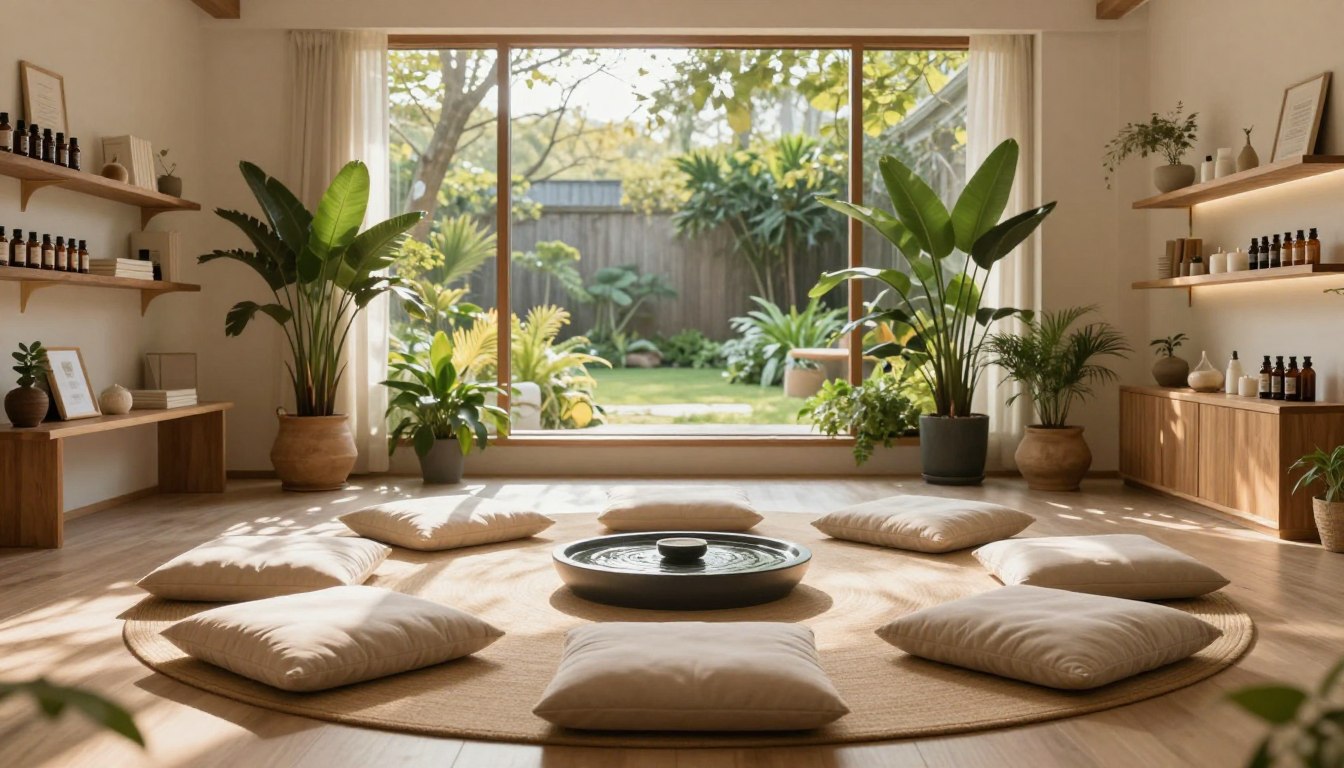
Establishing a mindfulness meditation room does not require an entire floor of your home. You simply need a quiet corner where you can disconnect from digital distractions and focus on your breath. This space acts as a physical anchor for your practice, signaling to your brain that it is time to slow down.
Keep this area free of clutter and unnecessary electronics to maintain a sense of calm. Adding a comfortable cushion or a soft rug can make the space feel inviting and grounded. When you return to this spot daily, you build a powerful habit that strengthens your mental clarity.
Incorporating Biophilic Design Elements Like Plants and Water
Biophilic design principles suggest that humans have an innate need to connect with nature. Bringing elements of the outdoors inside can significantly lower stress levels and improve your mood. You might consider a small tabletop fountain to introduce the soothing sound of flowing water to your living area.
Choosing Low-Maintenance Indoor Plants for Air Quality
You do not need a green thumb to enjoy the benefits of nature in your home. Several indoor air quality plants are incredibly resilient and require very little attention to thrive. These plants act as natural filters, helping to refresh your indoor environment while adding a touch of vibrant life to your decor.
- Snake Plant: Thrives in low light and is excellent for nighttime oxygen production.
- Spider Plant: Very easy to propagate and highly effective at removing common toxins.
- Pothos: A hardy vine that grows quickly and tolerates irregular watering schedules.
Utilizing Natural Scents and Aromatherapy
Aromatherapy for relaxation offers an instant way to shift the mood of any room. By using essential oils like lavender or eucalyptus, you can create a sensory experience that promotes deep calm. A simple diffuser can transform your space into a spa-like retreat within minutes.
| Wellness Element | Primary Benefit | Maintenance Level |
|---|---|---|
| Meditation Corner | Mental Clarity | Low |
| Snake Plant | Air Purification | Very Low |
| Essential Oil Diffuser | Mood Enhancement | Low |
| Tabletop Fountain | Stress Reduction | Moderate |
Conclusion
Designing a home that supports your mental and physical health represents a rewarding journey. You are creating a sanctuary that reflects your values and promotes deep relaxation.
Small adjustments to your environment lead to significant improvements in your daily mood. A well-planned wellness-focused home office helps you stay productive while keeping stress levels low. You deserve a space that works as hard as you do while providing comfort.
Commitment to these changes turns your house into a true retreat. Developing sustainable wellness habits ensures that your environment grows with you over time. These practices keep your mind sharp and your body energized throughout the busy work week.
Begin your transformation by choosing one area of your home to refresh today. Share your progress with friends or family to stay motivated on this path. Your dedication to a balanced lifestyle creates lasting benefits for your overall quality of life.